2026 Best Shrink Wrap Packaging Trends at Canton Fair 139?
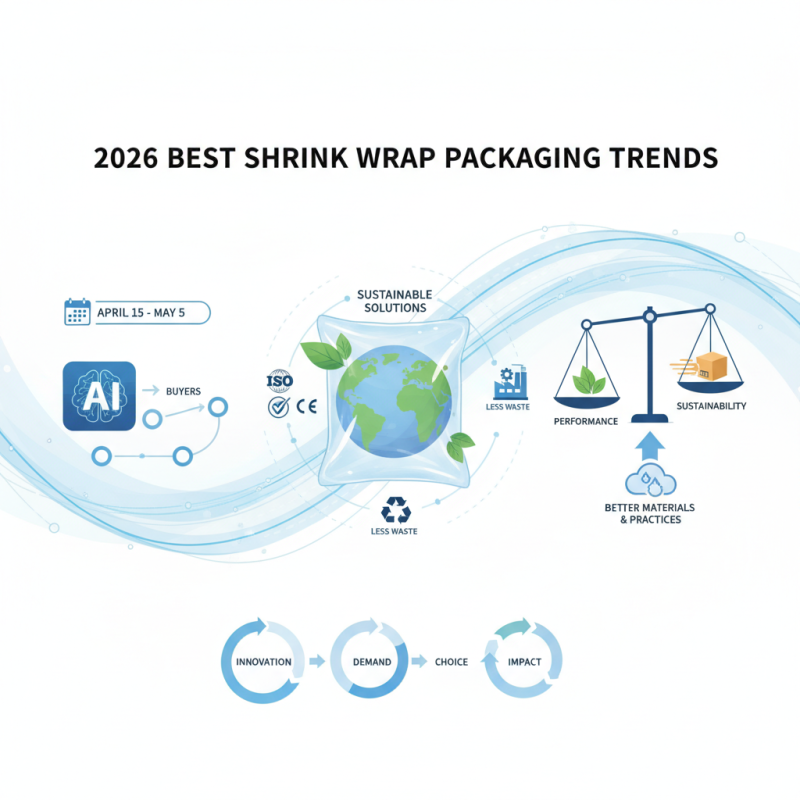
The 2026 Canton Fair is set to showcase the latest trends in shrink wrap packaging. This event, held from April 15 to May 5, highlights advanced manufacturing innovations. The introduction of AI technology will change how buyers interact with suppliers.
Shrink wrap packaging is gaining attention for its efficiency and effectiveness. Buyers can now easily find suppliers with essential certifications like ISO and CE. This innovation supports the high demand for sustainable packaging solutions. However, not all shrink wrap options are created equal. Some methods may fall short in environmental impact.
This trend invites reflection on the industry's balance between performance and sustainability. The need for better materials and practices is evident. As businesses pursue new opportunities, they must consider the long-term effects of their packaging choices.
2026 Overview of Shrink Wrap Packaging Trends at Canton Fair 139
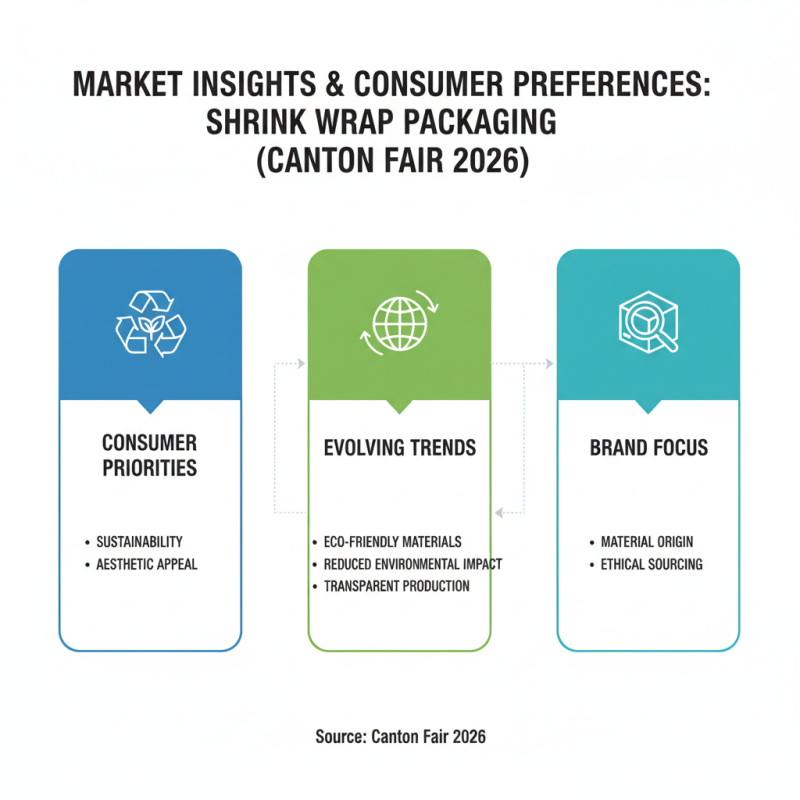
The 2026 Canton Fair will highlight several innovative trends in shrink wrap packaging. Many exhibitors will present eco-friendly materials. These materials are biodegradable and reduce environmental impact. Customers will appreciate sustainable options more than ever.
Attendees can expect various applications of shrink wrap. From food packaging to electronics, the versatility is impressive. Manufacturers are introducing smart packaging solutions as well. These solutions provide information through QR codes.
Tip: Consider the weight of packaging. Lighter materials can reduce shipping costs significantly. Remember to assess the sealing quality too. Weak seals may lead to product damage. Another suggestion is to keep an eye on customer preferences. They can change rapidly, and staying updated is crucial.
Innovative Materials Used in Shrink Wrap Packaging for 2026
Shrink wrap packaging is evolving rapidly, reflecting innovation in materials for 2026. Biodegradable films are becoming popular. These materials are eco-friendly and reduce environmental impact. They break down faster than traditional plastics. This shift aligns with growing consumer demand for sustainability.
Another interesting trend involves smart materials. These wraps can change color to indicate temperature or freshness. This feature enhances product safety and improves user experience. However, the technology can be costly. Not all businesses can afford it, which creates a disparity in accessibility.
**Tip:** When selecting shrink wrap, consider the product's shelf life. Select a wrap that enhances preservation without breaking the budget.
Testing new materials is essential. Not every film performs well in all conditions. Manufacturers should evaluate durability and flexibility. Rely solely on trends and ignore practical testing could lead to failure. Stay informed to adapt to changing needs.
Sustainable Practices in Shrink Wrap Packaging Industry
As the spotlight turns to the 2026 Canton Fair, shrink wrap packaging trends are evolving. Sustainability is becoming the core focus of the industry. Businesses are eager to reduce their environmental footprint. This shift means more eco-friendly materials and processes are emerging.
Many manufacturers are exploring bioplastics as a sustainable option. These materials can reduce reliance on petroleum-based plastics. Additionally, innovations in biodegradable shrink films are gaining traction. While these developments are promising, they often face challenges in performance and cost. Packaging that looks good but isn't sustainable invites scrutiny.
Tips: Consider embracing recycled materials in your packaging. Consumers are drawn to brands that prioritize sustainability. Improving the supply chain can lead to a reduction in carbon emissions. Frequent evaluations of your packaging can reveal areas for improvement. Stay informed about developments in eco-friendly materials. Change is ongoing, and being proactive is essential.
Technological Advancements Impacting Shrink Wrap Solutions
At the 2026 Canton Fair, shrink wrap packaging trends are evolving rapidly. Technological advancements are crucial in shaping these solutions. Automation is now more prevalent in shrink wrapping. Packaging lines are faster and more efficient. This enhances productivity significantly.
Innovative materials are entering the market. Biodegradable shrink wraps are gaining attention. They respond to increasing consumer demand for sustainability. However, the adoption of these materials is not without challenges. Production costs are higher, which may deter some businesses.
Smart technology is also making waves. Sensors and IoT devices are enhancing quality control. They help track packaging conditions and reduce waste. Yet, integration can be complex and expensive. Companies need to assess the return on investment carefully. As trends continue to shift, adaptability will be essential for success in this competitive landscape.
2026 Best Shrink Wrap Packaging Trends