2026 Best Automatic Die Cutting And Creasing Machine
Choosing the 2026 Best Automatic Die Cutting And Creasing Machine requires more than comparing speed and purchase price. Modern packaging lines demand accurate cutting, consistent creasing, safe operation, and dependable support. A suitable machine should process cartons, labels, folding boxes, and specialty materials without damaging delicate surfaces.
In real production, small details matter. Operators notice sheet alignment, feeding stability, pressure adjustment, and waste removal during every shift. A reliable Automatic Die Cutting And Creasing Machine should maintain clean creases across long runs. It should also offer practical controls, quick changeovers, and accessible maintenance points. These features can reduce downtime when orders change unexpectedly.
Experience matters here.
Manufacturers often publish impressive maximum speeds. Yet actual output depends on substrate thickness, sheet size, tooling quality, and operator skill. Buyers should examine verified samples, factory testing, service records, and spare-part availability. Independent certifications and clear technical documentation also strengthen confidence. Still, no machine is perfect. Some models may perform well with standard board but struggle with warped or coated stock. That limitation deserves honest evaluation.
This guide compares important machine specifications, production applications, automation features, and ownership factors. It considers performance beyond marketing claims. Readers will find practical questions for suppliers, including setup time, energy use, safety systems, and after-sales response. The goal is not to name one universal winner. It is to identify the best fit for different packaging operations, budgets, materials, and growth plans. Small differences can become expensive later.
Automatic Die Cutting and Creasing Technology: Core Functions and 2026 Standards
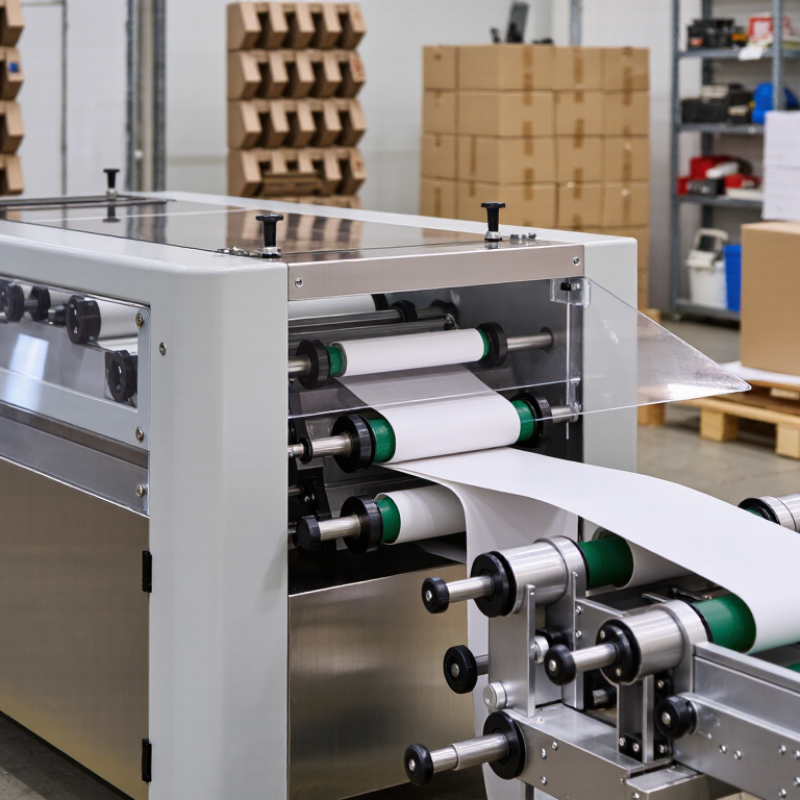
Automatic die cutting and creasing technology has become more precise, connected, and operator-focused in 2026. A capable machine cuts printed sheets, forms accurate creasing lines, and handles repeated jobs with stable pressure. Servo-driven feeding systems help control sheet movement. Optical sensors can detect skewed sheets before expensive errors spread.
Core performance still depends on practical details. Quick job setup reduces plate-changing time. Automatic pressure adjustment supports different paper weights, folding cartons, corrugated sheets, and specialty materials. Waste stripping units remove unwanted pieces cleanly. Small details matter. A poorly aligned stripping tool can damage an otherwise perfect production run. Operators should check registration, crease depth, feeding stability, and finished samples during every new setup.
The 2026 standard is not only higher speed. It includes guarded moving parts, emergency stops, reliable electrical protection, clear maintenance instructions, and documented risk controls. Buyers should request measured tolerances, energy data, noise information, and operator training records. Digital monitoring can record pressure, downtime, and warning messages, but data cannot replace skilled judgment. No machine is perfect. Real samples and long-run testing remain essential before purchase. A quiet feeder, a stable pressure system, and accessible service points often matter more than impressive specifications. This is where many evaluations need more reflection.
2026 Best Automatic Die Cutting and Creasing Machine
Automatic Die Cutting and Creasing Technology: Core Functions and 2026 Standards
The chart presents practical reference benchmarks for automatic flatbed die cutting and creasing systems in 2026. Actual output depends on sheet size, substrate structure, tooling complexity, feeding stability, stripping requirements, and machine setup time. Typical production speeds are shown in sheets per hour.
Material Compatibility: Processing 70–2,000 gsm Paperboard and Corrugated Stock
An automatic die cutting and creasing machine must handle more than a wide paper range. In production, 70 gsm sheets behave very differently from 2,000 gsm board. Thin stock can curl, shift, or tear around small creasing details. Heavy board demands stronger pressure and careful stripping. Corrugated stock adds another variable: flute direction, liner strength, and board compression.
Experienced operators usually begin with a short trial run, not a full pallet. They check feeding, registration, crease depth, and waste removal. For 70–350 gsm paperboard, moderate pressure and aligned tooling help protect printed surfaces.
Thick folding cartons may need staged pressure adjustments. At 1,000–2,000 gsm, the machine should provide stable force, rigid platen support, and repeatable setup controls. Excess pressure can crush edges. Too little pressure leaves incomplete cuts.
Corrugated sheets require practical testing. A crease that works across the flute may crack the liner when turned ninety degrees. Moisture also changes board behavior, even inside a controlled workshop. Shop-floor samples may pass one test and fail after stacking overnight. Material records therefore matter: note gsm, flute type, grain direction, die layout, and settings for each job. The stated range is useful, but it is not a promise for every structure. Some laminated or recycled boards need slower feeding or custom tooling. Small compromises remain.
2026 Performance Comparison: Speed, Automation, Changeover Time, and Energy Use
2026 Best Automatic Die Cutting And Creasing Machine
Speed is no longer the only performance measure. Modern automatic die cutting and creasing machines can exceed 7,000 sheets per hour, but real output depends on substrate, sheet size, and waste removal. Smithers’ Future of Global Packaging to 2028 reports continued growth in printed packaging demand, increasing pressure on converters to reduce idle time. A fast machine still loses money when operators wait for alignment or delivery adjustments.
Automation changes the comparison. Servo-driven feeding, camera inspection, and recipe storage can shorten changeover from nearly 30 minutes to below 10 minutes in suitable jobs. These figures are practical benchmarks, not universal guarantees. A 2024 PMMI automation report also identifies labor availability and repeatable setup as major investment drivers. Energy matters too. The International Energy Agency reports that industry uses about 37% of global final energy, so standby controls and efficient drives deserve attention. Small savings become visible across long production shifts.
Tips: Record sheets per hour, changeover minutes, and kilowatt-hours per 1,000 sheets. Test the same board grade on every machine. Ask for measured data, not brochure speed. Operators may reveal the real weakness. A machine can be technically advanced yet awkward to clean, adjust, or restart. That detail is easy to miss. Source figures should be checked against your tooling, workload, and local operating conditions.
Safety, Maintenance, and ROI Metrics for High-Volume Packaging Production
2026 Best Automatic Die Cutting And Creasing Machine
High-volume packaging production demands more than speed. It demands controlled risk. OSHA’s FY2024 Top 10 violations still included machine guarding, showing that safety failures remain common. A reliable die cutting and creasing line should use interlocked guards, accessible emergency stops, light curtains, and documented lockout procedures. Operators should verify sensors before each shift. Small checks prevent serious interruptions.
Maintenance data must be practical. PMMI’s 2024 State of the Industry report identifies labor shortages and automation investment as major packaging machinery concerns. That makes condition monitoring valuable. Track lubrication intervals, feeder faults, crease pressure, waste sheets, and unplanned stoppage minutes. A clean daily log can reveal a worn stripping tool before it damages a full production run. Predictive maintenance is useful, but it is not magic.
ROI should combine output with risk and quality. Measure overall equipment effectiveness, changeover time, labor hours per 10,000 sheets, scrap rate, and energy consumption. The widely used OEE benchmark is 85%, according to Vorne’s manufacturing performance guidance, but many plants should not treat it as a universal target. Product mix changes the calculation. A spreadsheet can look precise and still be wrong. Include training costs, spare parts, inspection time, and rejected cartons. Payback estimates become more credible when they use twelve months of actual production data.